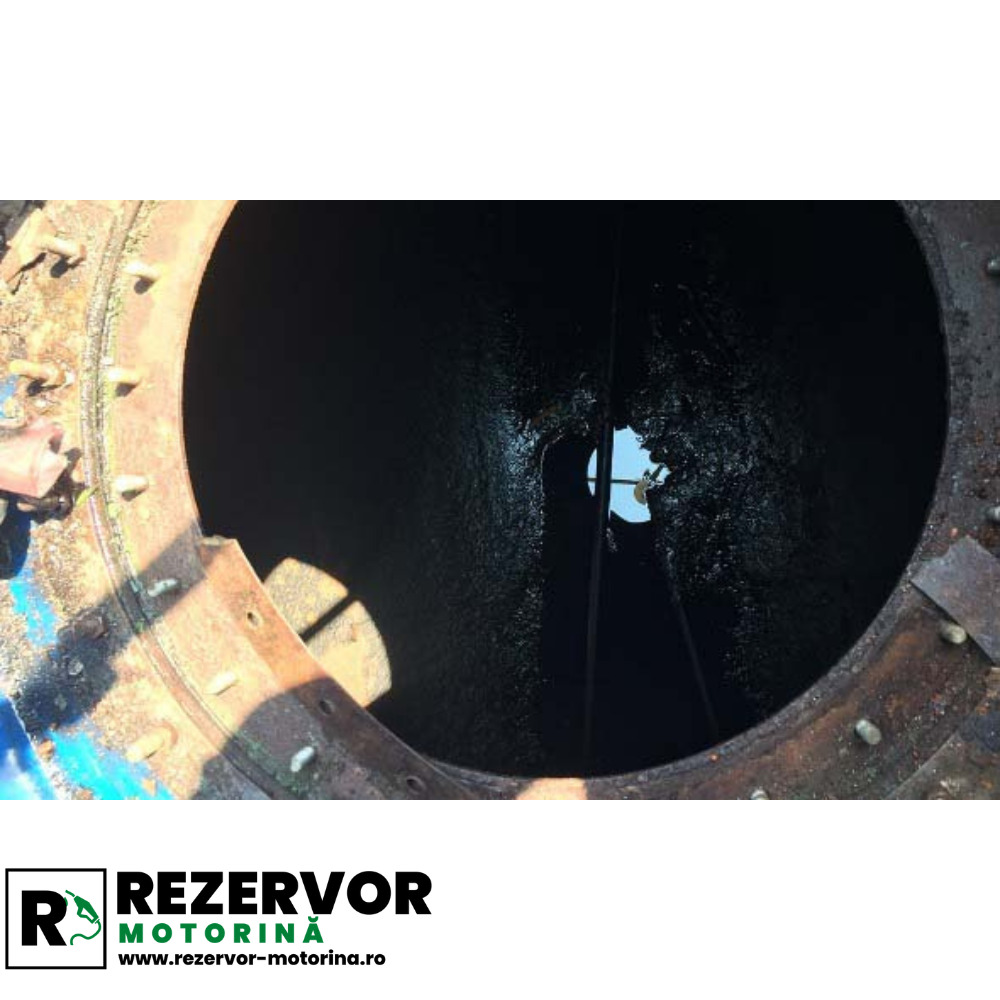
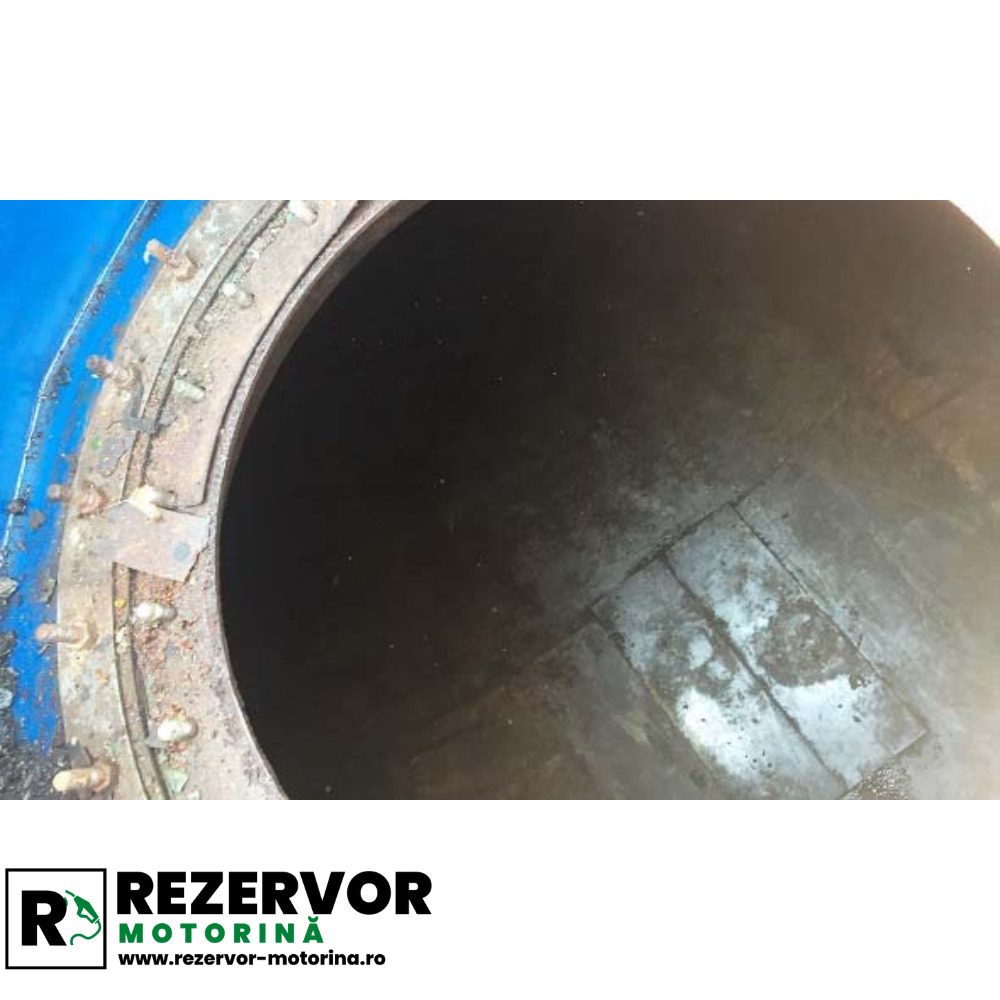
Tank cleaning steps
Steps to clean the fuel tank
You must follow certain steps to ensure the correct and complete cleaning of the fuel tank to maintain the integrity of the fuel and the health of the fleet engine. A proper clean fuel tank will keep you clean and in the form of the best performance.
- Goliți rezervorul – Before cleaning, the tank must be emptied to remove all the residual gases, moisture and other liquids. If the tank has not been cleaned for some time, it may be necessary to spray a special liquid inside the tank to make the bulk pump to be pumped by the extraction hose.
- Spălați rezervorul – Once most or all of the engine and mud have been removed from the tank, the interior is "cleaned". This is usually done by using an industrial detergent specially designed for cleaning the fuel tank. The washing ensures that there are no residues of mud, organic matter, water or other impurities on the inside walls of the tank.
- Clătire – After all the water, mud, fuel residues and other materials are removed from the tank, it must be rinsed well with water and allowed to dry. After this time of the cleaning process of the fuel tank, the fuel can be stored again in the tank. Make sure, however, that the tank is completely dry before adding fuel.
Fuel storage tanks are the vital blood of any business. Without fuel, companies cannot deliver products, parts or workers. That is why it is so important to maintain tanks with appropriate methods and procedures for cleaning fuel tanks. A clean fuel storage tank ensures that the clean fuel is ready for the company’s vehicles, which reduces costs and time of non-operation associated with engine failures and repairs.
So do not forget to inspect your tanks regularly and keep them clean. Cleaning the fuel tank is a necessary component for managing the fuel tank.
Fuel tank cleaning frequency
Frecvența curățării rezervorului de combustibil depinde de cantitatea de utilizare și de umplerea și distribuirea combustibilului. Rezervoarele de combustibil care sunt utilizate frecvent vor acumula particule, sedimente și reziduuri de combustibil mai repede decât rezervoarele care sunt utilizate mai rar. Recomandarea noastra este sa le curatati in intervalul 5 – 7 ani de folosire (de la ultima curatare)