Biodiesel and cold weather
BIODIESEL AND RECUATION ARE NOT IMPROVED
Biodiesel is a renewable, biodegradable fuel used in compression-ignition engines and is manufactured from vegetable oils, animal fats or recycled cooking fats. Biodiesel is a cleaner fuel and can be burned in pure form or mixed with conventional diesel fuels.
- B2: 2% biodiesel mixed with 98% engine
- B5: 5% biodiesel mixed with 95% engine
- B10: 10% biodiesel mixed with 90% engine
- B20: 20% biodiesel mixed with 80% engine
- B100: 100% biodiesel mixed with 0% engine
Association engine manufacturers has indicated that the use of biodiesel up to B5 should not cause engine or fuel system problems. However, some producers may provide warranty coverage for B20 and more under specific conditions.
EFECTELE VREMII RECI ASUPRA BIODIESELULUI
Greater biodiesel mixes can create engine performance problems due to weak cold running properties. Performance depends on the biodiesel mixture, feed oil and oil-diesel characteristics. Low biodiesel mixtures (i.e. B5) tend to have more similar results with conventional motor in cold weather (i.e., conventional motor no. 2). Both have some compounds that can crystallize in the extreme cold. In addition, a lower content of saturated fats generally creates a better biodiesel for cold weather.
However, higher-mixed biodiesels will tend to freeze (or freeze) faster. Essentially, as temperatures get lower, you will notice a loss of power as fuel gels result in the sinking of the filters and the sinked fuel pipelines. Finally, your engine will stop.
CARACTERISTICILE VREMII RECE
You can measure the cold weather characteristics of a diesel fuel using a variety of tests, including:
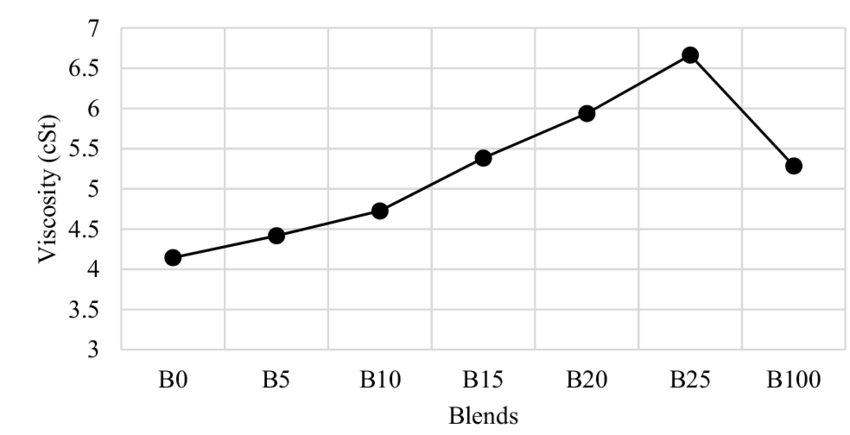
- Vascosity : Measure flow resistance at a fixed temperature
- Cloud Point : temperature at which small, solid crystals are seen as the fuel cools
- Tournament point : the lowest temperature at which there is fuel movement when the container is overturned.
- Simulated distillation : Measure fuel volatility in the temperature range
Testarea punctului de tulburare și a punctului de curgere sunt adesea folosite ca o estimare pentru punctul de obturare a filtrului rece – un combustibil ar putea funcționa într-un motor dacă temperatura este sub punctul de turburare, dar nu va fi sub punctul de curgere. Biodieselul tinde să aibă o gamă mult mai restrânsă de temperaturi (adesea o diferență de câteva grade) între punctul de turbire și punctul de curgere.
Other tests that may be useful for monitoring engine performance during cold weather include cold filter opening point (CFPP) or FAME test (Fatty Acid Methyl Ester).
IMPROVEMENT OF REVENUE PERFORMANCE
There are a few steps you can take to improve performance in cold weather with conventional biodiesel and diesel fuels.
- Seasonal fuel test: fuels must be Test before winter to determine expected performance during cold weather
- Use fuel additives: fuel mixers and anti-crystal control suppliers by adding an additive to improve the cold flow
- Contamination testing: test bulk storage tanks for water and other contaminants
- Prevent water contamination before starting: good tank maintenance procedures can prevent water from entering storage tanks
- Keep it warm: a heated garage is the best place to put a diesel vehicle when it is not used. If it is not available, motor block heaters can help you keep your engine warm when it doesn’t work.
Biodiesel with high mix can cause problems with the engine in cold weather. To ensure good performance, collaborate with your fuel supplier to determine the biodiesel mixture appropriate to your weather conditions. In addition, follow the best maintenance practices during the winter and do routine tests for diesel fuel , so you can maintain a constant level of performance.